Calendar Synchronizations Between League Seasons and Festival Events Shape Platform Engagement Patterns
Written by Morgan Jung · May 31, 2026
Calendar Synchronizations Between League Seasons and Festival Events Shape Platform Engagement Patterns
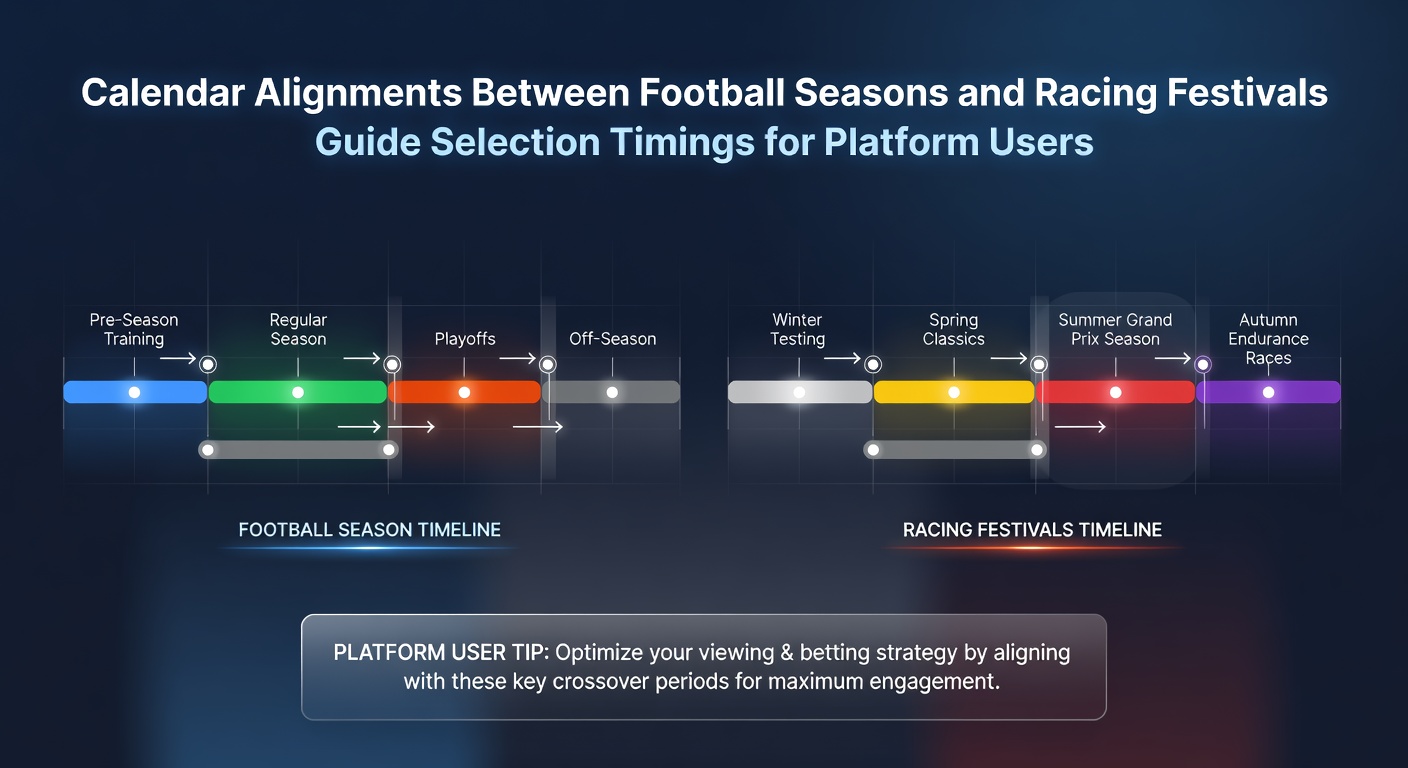
Data from sports scheduling bodies shows that football campaigns typically run from August through May in European leagues while major racing festivals cluster around spring and autumn windows. These alignments create distinct periods when platform users review cross-sport options because certain dates feature simultaneous high-profile matches and race meetings. Researchers at the Australian Institute of Sport have documented how such overlaps influence selection timing through analysis of attendance and broadcast data across multiple seasons. Platform interfaces often highlight these intersections because users tend to examine accumulators or multi-event selections when football midweeks coincide with racing weekends. Figures from the Canadian Centre for Ethics in Sport reveal that March and April host dense scheduling blocks in both disciplines which prompts earlier preparation among regular participants. Observers note that the Premier League's winter schedule frequently aligns with jumps meetings at Cheltenham and Aintree creating extended review windows for those tracking form across codes.Football Season Milestones and Their Racing Counterparts
League starts in early August overlap with the conclusion of summer racing circuits while the winter break period in some competitions aligns with festive racing programs. Data indicates that January transfer windows sometimes coincide with all-weather racing festivals which extends the time users spend comparing player statistics against equine records. Studies from the University of Queensland's Centre for Sport and Society found consistent patterns where international breaks free up calendar space for major race days such as the Grand National meeting.
May brings particular density because domestic league campaigns reach their climax while flat racing enters its peak phase. The 2026 calendar places the conclusion of several European leagues alongside the Chester May Festival and French Open tennis events yet the football-racing intersection remains the primary focus for many platform selections. Those who've studied these schedules know that final matchdays often land within days of key racing cards which compresses decision timelines for accumulators spanning both sports.
Key Overlap Windows That Guide Selection Timing
September and October feature early season football alongside autumn racing festivals creating opportunities for users to build longer-term selections. Evidence from broadcast metrics shows increased platform activity during these months when Saturday fixtures run parallel to major racecards. Platform design incorporates calendar overlays because historical data reveals users return to the same events year after year when alignments repeat.
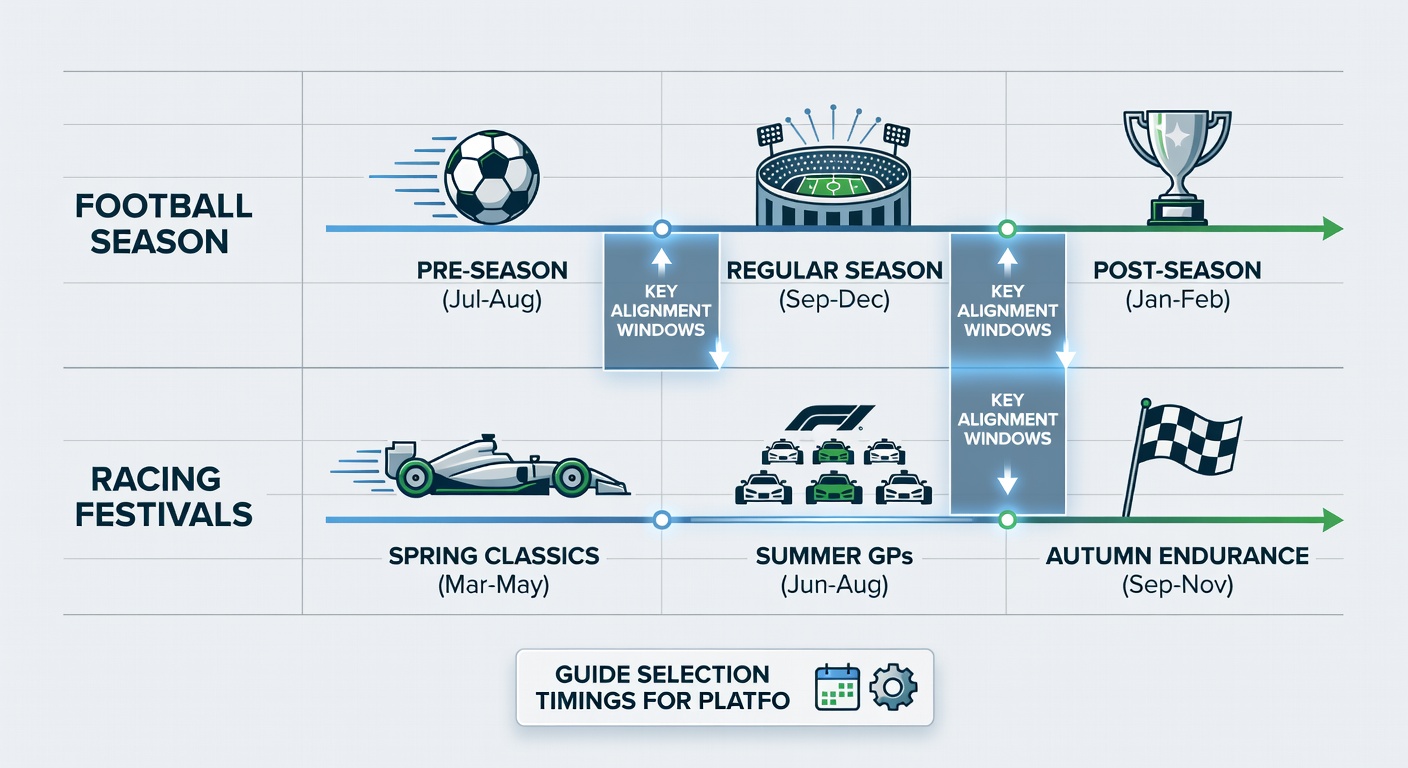
December and early January introduce another cluster as festive football programs meet holiday racing meetings. Research published by the New Zealand Racing Board indicates that these compressed windows lead users to finalize selections earlier in the week rather than waiting for the last moment. The reality is that Easter dates also shift annually yet still manage to intersect with league schedules in most years producing similar preparation patterns.
Platform Features Supporting Calendar-Based Decisions
Digital platforms integrate fixture lists and festival schedules into single dashboards because users benefit from seeing alignments without switching between multiple sources. According to reports from the European Gaming and Betting Association these tools reduce the time needed to identify viable multi-sport combinations. Users often discover that early access to May 2026 dates allows them to map out selections around the final league weekends and concurrent racing fixtures well in advance.
Notifications triggered by approaching overlaps help maintain engagement across the season cycle. Data from Australian wagering regulators shows that users who receive timely calendar alerts complete their reviews during quieter midweek periods rather than rushing on event days. This approach spreads activity more evenly and matches the natural rhythm of both football seasons and racing festivals.
Conclusion
Calendar alignments between football seasons and racing festivals continue to shape how platform users approach selection timing because the fixed nature of these schedules creates predictable windows year after year. Those monitoring developments in 2026 will see familiar patterns repeat as league conclusions meet established racing dates. Platform tools that surface these intersections support more measured decision processes across the sporting calendar.