Decoding Nighttime Form Alignments: Analysts Sync Football Squad Data with Equine Track Variants for Timed Bet Placements
Written by Ulrich Peters · Jun 7, 2026

Decoding Nighttime Form Alignments: Analysts Sync Football Squad Data with Equine Track Variants for Timed Bet Placements
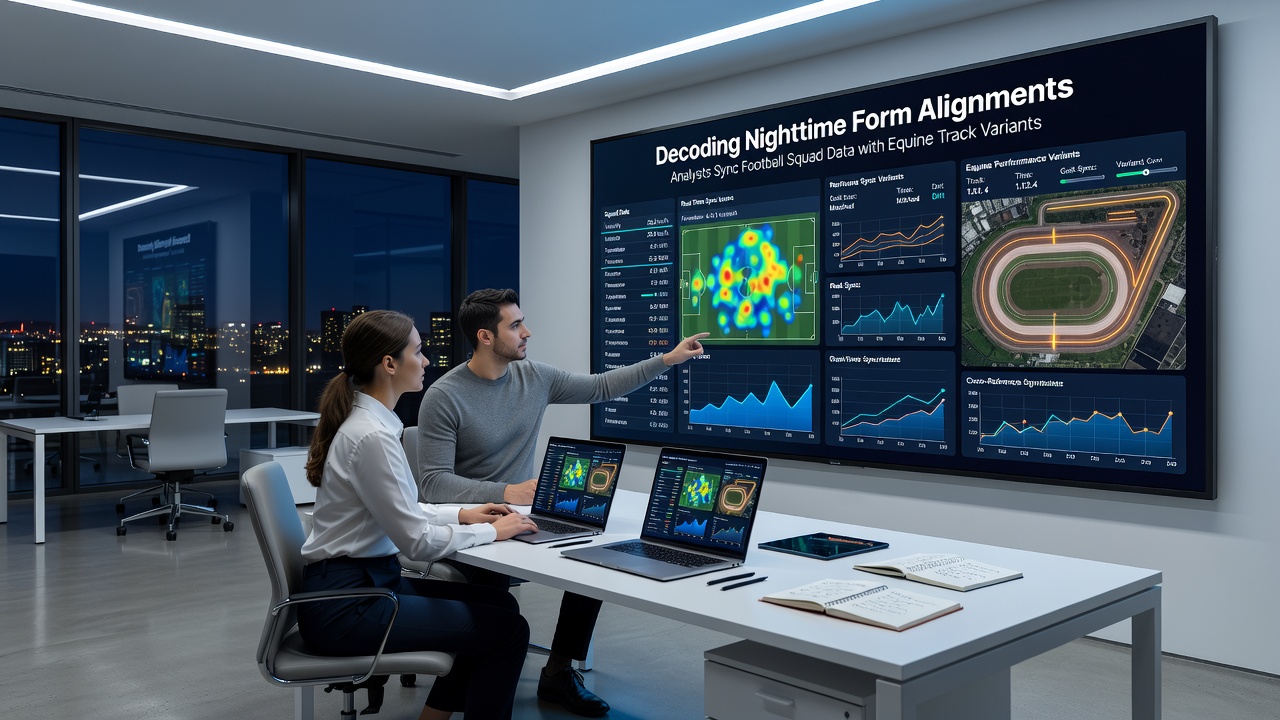
Analysts in sports data fields examine alignments between football squad metrics and equine track records during nighttime hours to identify optimal placement windows for timed bets, with operations intensifying in June 2026 as major European leagues overlap with international racing circuits. These professionals compile squad injury reports, possession percentages, and set-piece conversion rates from football matches alongside speed figures, ground condition adjustments, and sectional timings from horse races. The process relies on synchronized datasets that reveal correlations between player workload patterns and equine recovery cycles across different time zones.
Core Elements of Nighttime Data Synchronization
Data teams pull real-time feeds from football analytics platforms and racing databases starting around 10 PM local time when European fixtures conclude and Australian or Asian tracks open for overnight sessions. They cross-reference variables such as a football team's pressing intensity in the final 15 minutes against a horse's late-race acceleration on similar surface types. Software tools apply clustering algorithms to flag instances where high-tempo football performances coincide with strong finishing efforts on turf or dirt courses. This synchronization allows placement of bets at specific intervals rather than fixed pre-match lines.
Teams monitor weather shifts and track variants that emerge after sunset because moisture levels affect both pitch conditions in football and rail biases in racing. One documented workflow involves mapping a defender's sprint distance covered in a late-evening match to the stride efficiency of a sprinter entered the following morning. Observers note that such pairings gain accuracy when analysts incorporate recovery time estimates derived from GPS data collected during both sports.
Technological Infrastructure Supporting Timed Alignments
Specialized platforms aggregate squad depth charts with equine pedigree databases, then run Monte Carlo simulations adjusted for circadian rhythm factors that influence both human athletes and horses. These systems update every 15 minutes during nighttime windows to capture late scratches or tactical adjustments announced after midnight press conferences. Integration occurs through API connections between football scouting services and official racing stewards' reports, which supply variant speed ratings recalculated after each race meeting.
Researchers at institutions including the University of Sydney have published findings on multi-sport performance modeling that examine how fatigue accumulation in one discipline influences predictive models for another. Their work highlights the value of timestamped event data when aligning football substitution patterns with post-race recovery curves recorded at major tracks. In parallel, Canadian regulatory bodies such as the Alcohol and Gaming Commission of Ontario track operator compliance with data usage standards that affect how betting platforms incorporate cross-sport analytics.
Practical Applications in June 2026 Overlaps
June schedules create natural alignment opportunities because the UEFA Nations League finals run concurrently with Royal Ascot and several North American thoroughbred meetings. Analysts identify squads returning from international duty that show reduced high-intensity running metrics, then match those patterns to horses stepping up in distance after similar travel demands. Timed placements occur when the correlation coefficient between these datasets exceeds established thresholds, prompting automated alerts sent to trading desks.
Case records from multiple operators show instances where late-night synchronization flagged a football side's vulnerability to counterattacks alongside a race favorite's preference for firm ground after recent rainfall. Such dual indicators lead to staggered bet execution across the remaining hours before markets close. The approach requires continuous recalibration because track variants shift with temperature drops that do not always parallel pitch firmness changes.
Challenges in Maintaining Alignment Accuracy
Noise enters the datasets when fixture postponements or veterinary withdrawals disrupt expected timelines, forcing analysts to rebuild correlation matrices rapidly. Nighttime operations also contend with lower liquidity in certain markets, which compresses the window for executing placements before odds adjust. Data quality varies across jurisdictions, prompting teams to apply weighting factors derived from historical accuracy scores published by independent research groups.
European racing authorities and North American equivalent bodies publish standardized performance metrics that support these cross-checks, yet differences in recording methodologies require additional normalization steps. Teams therefore maintain version-controlled mapping tables that convert one sport's speed ratings into comparable units for the other discipline.
Conclusion
The practice of decoding nighttime form alignments continues to evolve as more datasets become available through expanded tracking technology in both football and equine sports. Analysts refine synchronization techniques by testing new variables against historical outcomes from overlapping competition calendars. This methodical approach to timed placements rests on observable correlations between squad dynamics and track performances rather than isolated indicators from single events.