Exploring Pattern Recognition in Multi-Sport Performance Analysis
Written by Harper Krüger · May 20, 2026
Exploring Pattern Recognition in Multi-Sport Performance Analysis
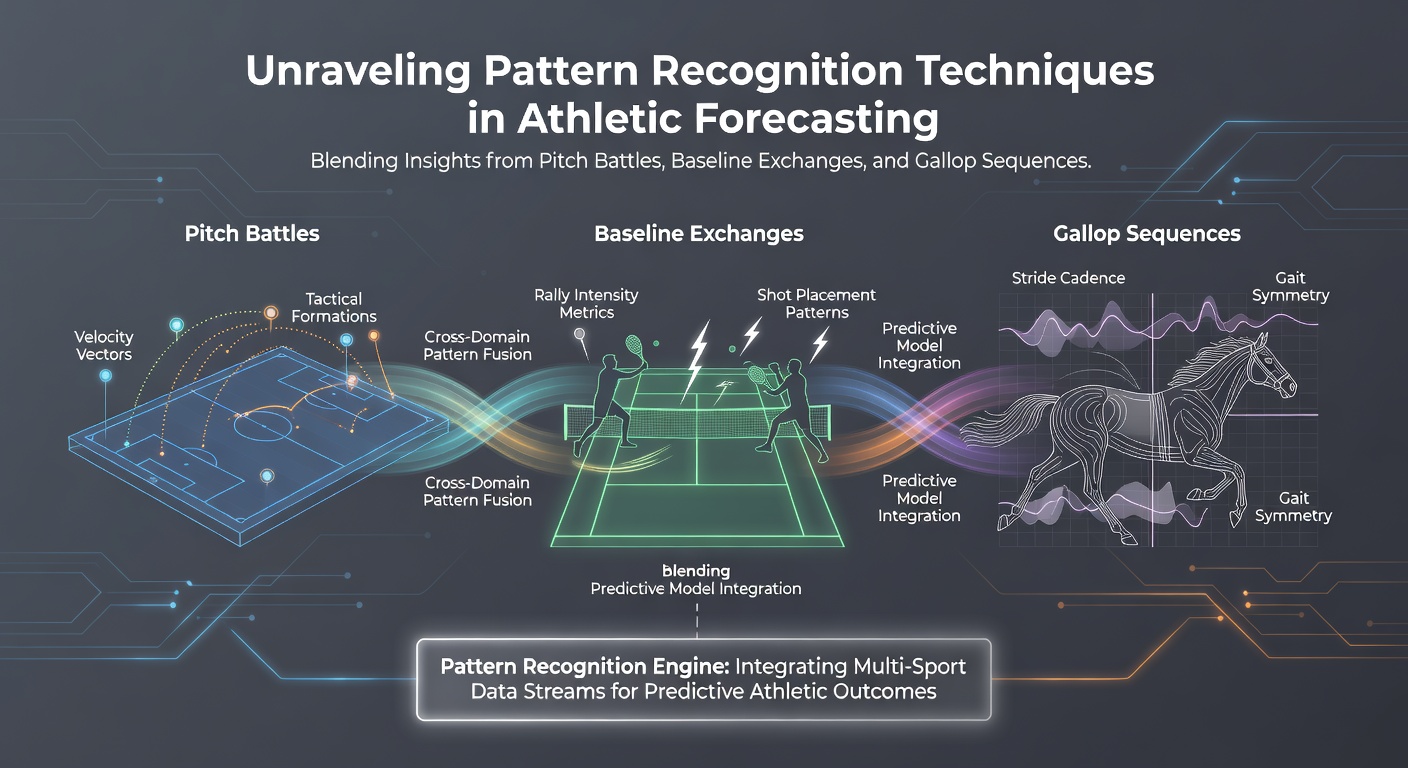
Pattern recognition techniques have become central to athletic forecasting as analysts combine data streams from football matches, tennis rallies, and horse racing sequences to build more accurate performance models, and researchers continue to refine these methods through large-scale computational frameworks. Teams and organizations track player movements on the pitch, racket swings along baselines, and stride patterns during gallops because each domain generates distinct yet complementary datasets that reveal underlying trends when processed together.
Core Methods Driving Athletic Forecasts
Analysts apply machine learning algorithms to identify repeating sequences in match footage and sensor readings, while statisticians cross-reference these outputs with historical records to project future outcomes. Football provides dense positional data from every tackle and pass, tennis contributes granular timing metrics from serve returns and groundstroke exchanges, and horse racing supplies biomechanical measurements from each furlong segment. Integration occurs when algorithms align temporal markers across these sources, allowing models to detect correlations that single-sport analysis often misses.
Football Pitch Data and Tactical Patterns
Coaches and performance staff record spatial coordinates during matches to map pressing triggers and transition zones, and studies from the Australian Institute of Sport show how these coordinates feed into neural networks that forecast team shape under fatigue. Observers note that clustering algorithms group similar defensive structures, which then serve as templates when comparing live situations to archived matches. The resulting predictions highlight likely ball-progression routes before they develop on the field.
Tennis Baseline Exchanges and Rally Structures
High-speed cameras capture ball trajectories and player footwork throughout extended rallies, creating time-series datasets that reveal fatigue signatures and shot-selection tendencies. Pattern recognition software isolates serve locations that precede extended baseline duels, then compares those sequences against opponent movement profiles recorded in prior tournaments. This approach yields probability estimates for point outcomes that update after every exchange, giving analysts a dynamic view of momentum shifts during a set.
Horse Racing Gallop Sequences and Biomechanical Trends
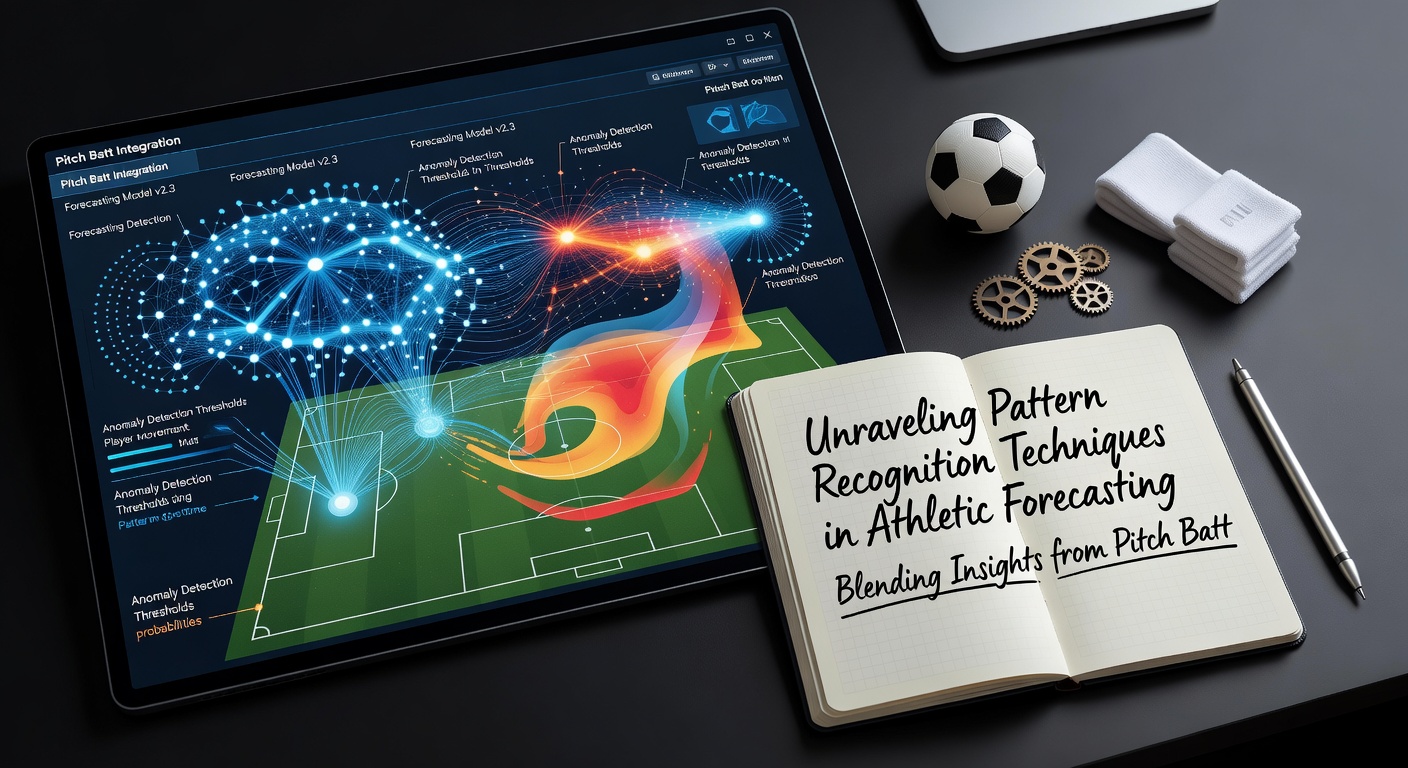
Timing gates and wearable sensors log stride length, frequency, and ground reaction forces across race distances, producing datasets that reveal how surface conditions and pace affect late-race deceleration. Researchers map these gallop profiles onto velocity curves, then apply sequence-matching techniques to identify horses whose current form aligns with historical winners on similar tracks. The models incorporate wind speed, track moisture, and competitor positioning to adjust projections in real time.
Cross-Domain Integration Strategies
Data fusion pipelines normalize variables from the three sports into shared feature spaces, enabling joint training of predictive models that treat pitch battles, baseline exchanges, and gallop sequences as parallel examples of rhythmic athletic output. Engineers use dimensionality reduction to isolate latent factors such as acceleration bursts and recovery intervals that recur across domains. When these factors align with upcoming fixtures, the combined model outputs scenario probabilities that account for multi-sport contextual cues rather than isolated statistics.
In May 2026, major events including the French Open on clay courts and the Chester May Festival races supply fresh data streams that test the robustness of these integrated systems. Analysts feed live positional data from football playoffs alongside tennis set scores and equine split times into the same framework, allowing rapid recalibration of pattern weights as matches and races unfold. This period demonstrates how seasonal calendars create natural laboratories for validating cross-sport forecasting accuracy.
Validation Through Controlled Studies
Academic teams publish results from controlled experiments that compare single-domain versus multi-domain pattern recognition accuracy, and findings indicate measurable gains when models incorporate inputs from football, tennis, and racing simultaneously. Validation protocols require hold-out datasets drawn from separate competitions to prevent overfitting, while performance metrics track precision across different forecast horizons ranging from in-match adjustments to multi-week projections. Organizations that adopt these protocols report consistent alignment between projected and observed athletic outputs.
Conclusion
Pattern recognition continues to evolve as computational capacity expands and sensor technology improves, yet the fundamental principle remains the alignment of rhythmic sequences across distinct athletic environments. By blending pitch battles, baseline exchanges, and gallop sequences within unified analytical pipelines, forecasters obtain richer context for performance predictions without relying on any single sport's data in isolation. Ongoing research refines these methods through iterative testing against real-world events, ensuring that models adapt as competition formats and athlete profiles shift over time.