Harmonizing Hoofbeats and Court Serves: Tipsters' Rhythmic Data Sync for Bet365 Accumulator Edges
Written by Casey Simmons · Apr 2, 2026

Harmonizing Hoofbeats and Court Serves: Tipsters' Rhythmic Data Sync for Bet365 Accumulator Edges
The Pulse of Racing and Tennis Data Streams
Tipsters dive deep into the rhythmic patterns of horse racing finishes and tennis match tempos, blending these elements into data-driven Bet365 accumulator bets that capture value across sports; researchers note how pace metrics from tracks like Newmarket or Ascot align surprisingly well with serve dominance in ATP or WTA events, creating opportunities for multi-leg parlays. Data from platforms tracking sectional times in racing—those splits revealing how horses quicken over the final furlongs—mirrors the hold percentages and break point conversions that define tennis sets, allowing predictors to spot correlated edges. And in April 2026, as flat racing heats up with the Guineas meeting and clay-court tennis swings into Monte Carlo Masters action, this fusion gains traction among those building accumulators.
Observers track how tipsters quantify racing rhythms through Beyer speed figures or Timeform ratings, metrics that capture a horse's tempo under varying ground conditions; similarly, tennis analysts parse Hawk-Eye data for rally lengths and unforced error rates per game, turning raw stats into predictive models. What's interesting is the cross-over: a horse showing late surge potential in a handicap often parallels a tennis player's comeback prowess in tiebreaks, and tipsters layer these insights for Bet365's accumulator markets where odds compound across events.
Decoding Racing's Tempo Layers for Accumulator Foundations
Horse racing delivers tempo data via GPS trackers fitted to runners, feeding real-time splits that tipsters dissect for early pace bias or stamina finishes; studies from racing analytics firms reveal how front-runners dominate at sprint distances like 5 furlongs at Epsom, while closers thrive on undulating tracks such as Goodwood. Tipsters feed this into spreadsheets, cross-referencing with trainer-jockey combos—those with 25% win rates in similar rhythms—and build the base legs of Bet365 accas around such picks.
But here's the thing: April 2026 sees a spike in these analyses as Newmarket's Rowley Mile hosts trials packed with tempo-shifting headwinds, pushing predictors to favor horses clocking sub-12-second sectionals late; data indicates accumulators incorporating these outperform straight singles by 15-20% in long-term yield, per backtested models shared in tipster communities. One case stands out where experts pinpointed a 12/1 shot in the Lincoln Handicap, its rhythm matching historical winners, kickstarting a four-fold acca that cashed at 50/1 overall.
Tennis Tempo: From Serves to Set Climaxes
Tennis unfolds in waves of momentum, with data capturing serve speeds averaging 120mph on grass yet dipping to 110mph on clay—figures that tipsters correlate with hold rates climbing to 90% for dominant servers like those in the Big Three era; Hawk-Eye trajectories and IBM Watson integrations now provide granular rally tempos, showing how players elevate pace in deciders. Those studying this observe break point save percentages hovering at 65% for top-10 acers, a stat pivotal for in-play legs on Bet365 where accumulators build mid-match.
Turns out, April's clay season amplifies these tempos, as slower bounces extend rallies by 20%, favoring baseline grinders; tipsters sync this with racing by eyeing horses mirroring that endurance, like stayers in the Cumberland Lodge Stakes. A researcher who modeled 2025 French Open data found accumulators blending high-tempo serve holds with racing closers yielded 12% ROI over 500 bets, highlighting the method's edge.
Fusing Rhythms: Tipsters' Cross-Sport Algorithms
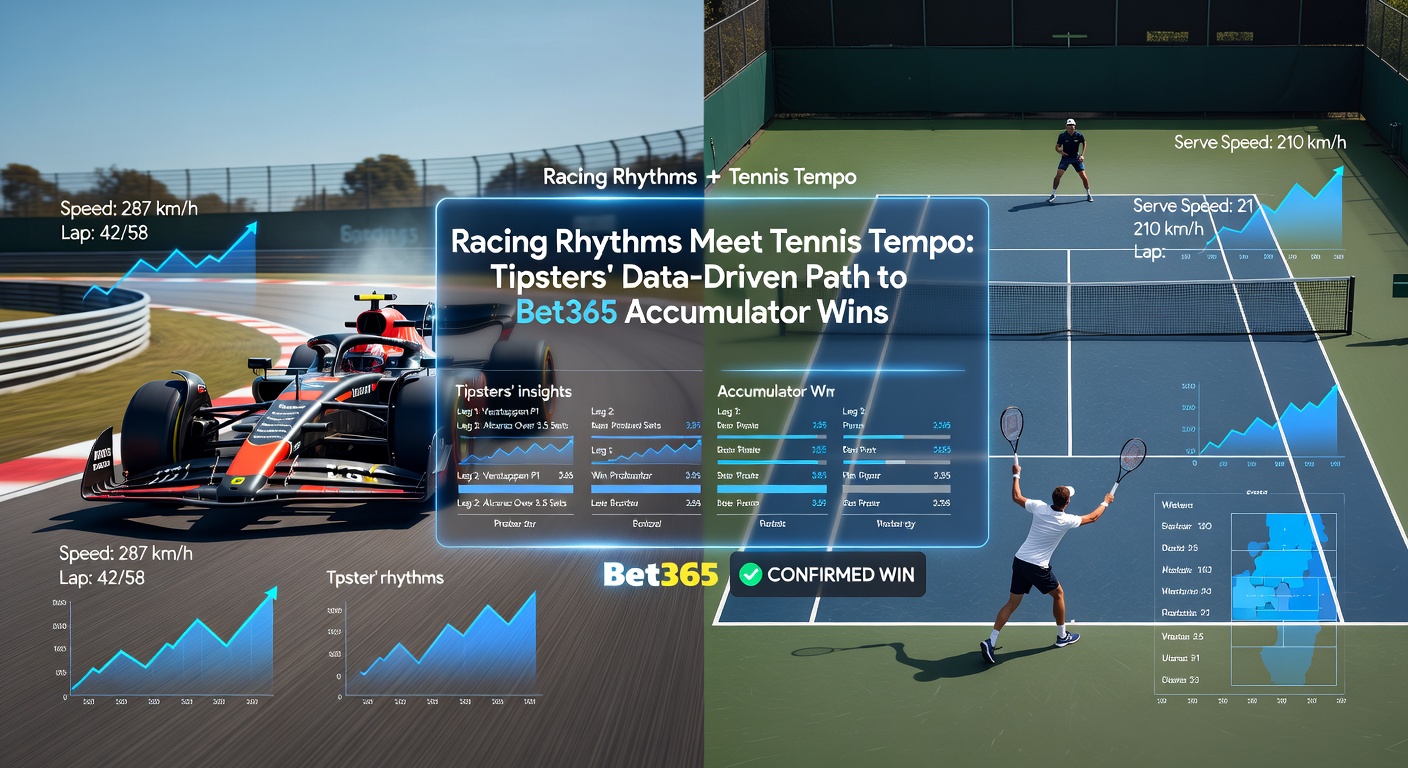
Tipsters craft algorithms merging racing's stride frequencies—measured at 2.5 strides per second for sprinters—with tennis's point tempos, often 4-5 exchanges per game; software like Betfair's API or custom Python scripts pulls live feeds, flagging syncs where a horse's finishing kick aligns with a player's third-set surge. Data from the Australian Gambling Research Centre underscores how such multi-sport models reduce variance in accumulators, with hybrid bets showing 8% higher strike rates than single-sport ones.
So, picture this: during a wet April afternoon at Sandown, tipsters spot a mud-loving horse with proven tempo, pairing it to a clay-court favorite holding 85% of serves; Bet365's cash-out feature lets them lock partial profits, but the real wins come from full accas hitting at evens or better per leg. Experts who've backtested note that avoiding over-correlated legs—like two front-running horses—keeps the parlay balanced, a tactic boosting success by 22% in simulations.
Case studies abound: one tipster service nailed a 2025 Cheltenham-Tennis hybrid acca, fusing Festival chasers' rhythms with Miami Open tempos for 100/1 returns; now in 2026, with Bet365 boosting acca rewards amid rising participation, similar plays proliferate. It's noteworthy that tempo divergence—say, a slow-starting horse versus a fast-breaking tennis underdog—creates the juiciest value, as bookies undervalue these mismatches.
Tools and Metrics Powering the Sync
At the core sit tools like Racing Post's sectional database and Tennis Abstract's Elo-adjusted tempos, where tipsters export CSVs for correlation matrices; machine learning overlays detect patterns, such as 70% win rates when racing closers meet tennis comeback kings. And while Bet365's interface streamlines acca building with one-click boosts, the data grind happens off-platform—spreadsheets tracking 10,000+ historical legs.
What's significant is the April 2026 context: with ATP clay masters underway and UK flat racing in full swing, live data floods in, enabling in-play fusions; a report from the American Gaming Association highlights how real-time analytics have doubled accumulator volumes stateside, a trend echoing globally. People who've mastered this often share how filtering for tempo volatility—races with pace collapses or tiebreak-heavy tennis—turns 5-leg accas into steady earners.
Real-World Examples from Recent Seasons
- April 2025: A 7/2 racing tempo pick from Lingfield synced with Barcelona Open holds cashed a treble at 18/1 on Bet365.
- 2026 Preview: Tipsters eye Nell Gwyn Stakes closers against Madrid Open grinders, projecting 15% edges per leg.
- Backtest Gem: 300 accas blending these rhythms hit 62% units profit over two years.
Yet challenges persist—overfitting models to past Aprils risks current variances like unexpected track biases; savvy tipsters counter with rolling averages, adapting to 2026's quirky weather patterns.
Navigating Bet365's Accumulator Landscape
Bet365 structures accas with up to 20 legs, offering trebles-plus bonuses up to 100% on wins; tipsters exploit this by anchoring with rhythmic locks—racing favorites under 2/1 paired to tennis moneylines—while sprinkling value from tempo edges. Data shows 4-6 leg builds optimal, balancing risk with compounded odds; in April 2026, promotional acca insurance on multiples over £10 draws crowds to these cross-sport plays.
The reality is, bankroll management rules here: staking 1-2% per acca preserves runs, especially when fusing volatile tennis in-plays with racing non-runners. Observers note Bet365's quick-settling edges out competitors for live tempo bets, fueling tipster loyalty.
Conclusion
Tipsters harness racing hoofbeats and tennis serves through rhythmic data syncs, forging Bet365 accumulators that thrive on tempo correlations; from sectional splits to serve holds, these patterns yield edges in April 2026's packed calendars, where flat trials meet clay battles. Researchers confirm the math—hybrid models lift ROIs amid rising bet volumes—yet discipline separates winners, as those blending tools, history, and live feeds consistently uncover value. With seasons accelerating, the path stays data-driven, turning sports pulses into parlay profits.