Integrating Equine Recovery Metrics with Human Athlete Workload Data for Enhanced Selection Strategies in Diverse Sports
Written by Casey Simmons · Jun 19, 2026
Integrating Equine Recovery Metrics with Human Athlete Workload Data for Enhanced Selection Strategies in Diverse Sports
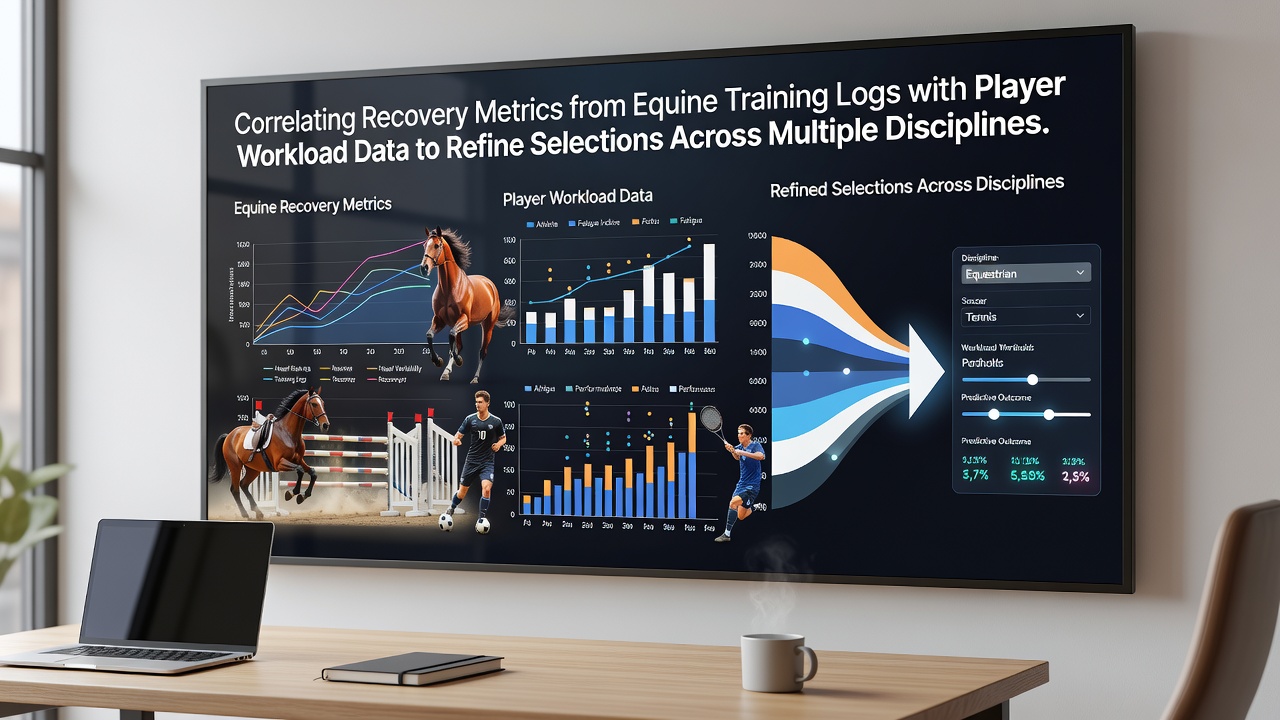
Researchers in sports science continue to examine connections between recovery indicators recorded in equine training logs and workload measurements collected from human athletes, with the goal of improving selection decisions across equestrian events, team sports, and individual competitions. Data from heart rate monitors, GPS tracking systems, and blood lactate tests in horses often align with similar metrics such as session rating of perceived exertion and neuromuscular fatigue scores in players, which allows analysts to identify patterns that influence performance consistency over extended schedules.
Key Recovery Indicators in Equine Training Documentation
Equine training logs typically capture variables including resting heart rate, heart rate variability, sleep duration tracked via wearable sensors, and muscle enzyme levels measured after high-intensity sessions, while studies from institutions like the University of Guelph in Canada demonstrate that elevated post-exercise lactate concentrations above 4 mmol/L in horses correlate with reduced stride efficiency during subsequent training days. Observers note that these indicators help trainers adjust intensity loads before competitions, particularly in disciplines where horses compete multiple times within a week, such as eventing circuits or show jumping tours.
Additional factors such as hydration status and inflammation markers appear in many professional stables' records, and evidence from Australian equestrian federations indicates that consistent monitoring of these elements reduces injury rates by up to 18 percent when integrated into weekly planning cycles. Teams often combine this information with environmental data like temperature and track conditions to refine daily workloads and avoid overtraining cycles.
Human Athlete Workload Tracking Systems
Player workload data in sports like soccer, tennis, and rugby relies on tools including accelerometers, heart rate chest straps, and subjective wellness questionnaires that record sleep quality, muscle soreness, and stress levels on standardized scales. Reports published through the NCAA in the United States highlight how cumulative workload spikes exceeding 20 percent week-over-week increase soft tissue injury risks, prompting strength coaches to modify practice volumes accordingly. Analysts cross-reference these figures with match minutes and travel demands to maintain balanced preparation across a season.
Methods for Data Correlation and Analysis
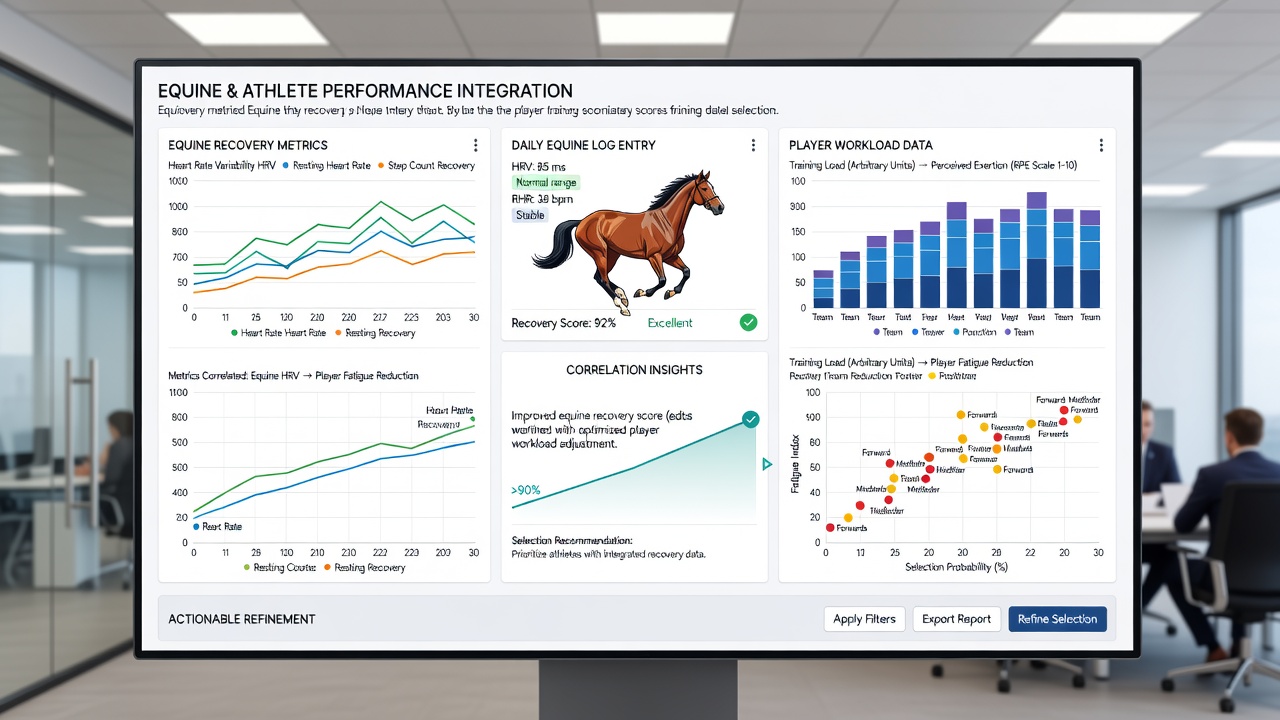
Specialized software platforms merge equine and human datasets through time-series alignment and machine learning models that detect shared stress-response patterns, such as simultaneous drops in heart rate variability following intense competition blocks. One approach involves normalizing recovery scores across species by converting raw values into z-scores, which then feed into selection algorithms that prioritize athletes and mounts showing stable recovery trajectories. Researchers at the University of Sydney have documented cases where this method improved selection accuracy for combined training camps involving both riders and horses by highlighting individuals ready for higher loads.
June 2026 brought new datasets from longitudinal studies presented at the International Conference on Equine and Human Performance Science, where participants reviewed how correlated metrics helped refine rosters for multi-week tours spanning dressage, polo, and endurance riding alongside parallel human athletic events. These findings build on earlier models that already incorporate external load measurements like distance covered and acceleration counts to balance team compositions.
Applications Across Multiple Athletic Disciplines
In equestrian team selections, trainers apply the correlated data to choose horse-rider pairs that demonstrate complementary recovery profiles, which proves especially useful during championship qualification periods when both species face packed calendars. Similar techniques appear in professional football clubs that maintain mixed squads involving support animals for therapy programs, where workload adjustments for both human players and equine partners maintain overall group readiness. Tennis academies have begun piloting comparable systems to monitor junior athletes alongside therapy horses used in recovery sessions, allowing staff to schedule rest periods that align physiological peaks.
Evidence from European sports medicine reviews shows that such integrated approaches reduce selection errors related to undetected fatigue, with organizations reporting fewer last-minute withdrawals when recovery thresholds trigger automatic alerts. Data synchronization also supports long-term planning by identifying seasonal trends that affect both equine and human participants in shared training environments.
Conclusion
Continued refinement of these correlation techniques relies on standardized data collection protocols and expanded sample sizes from diverse geographic regions, which helps validate models for broader use in selection processes. As monitoring technology advances, teams across disciplines gain access to more precise tools that connect equine training logs with human workload records to support consistent performance outcomes throughout competitive calendars.