Integrating Form Guides and Live Adjustments in Accumulator Strategies
Written by Ulrich Peters · Jul 22, 2026
Integrating Form Guides and Live Adjustments in Accumulator Strategies
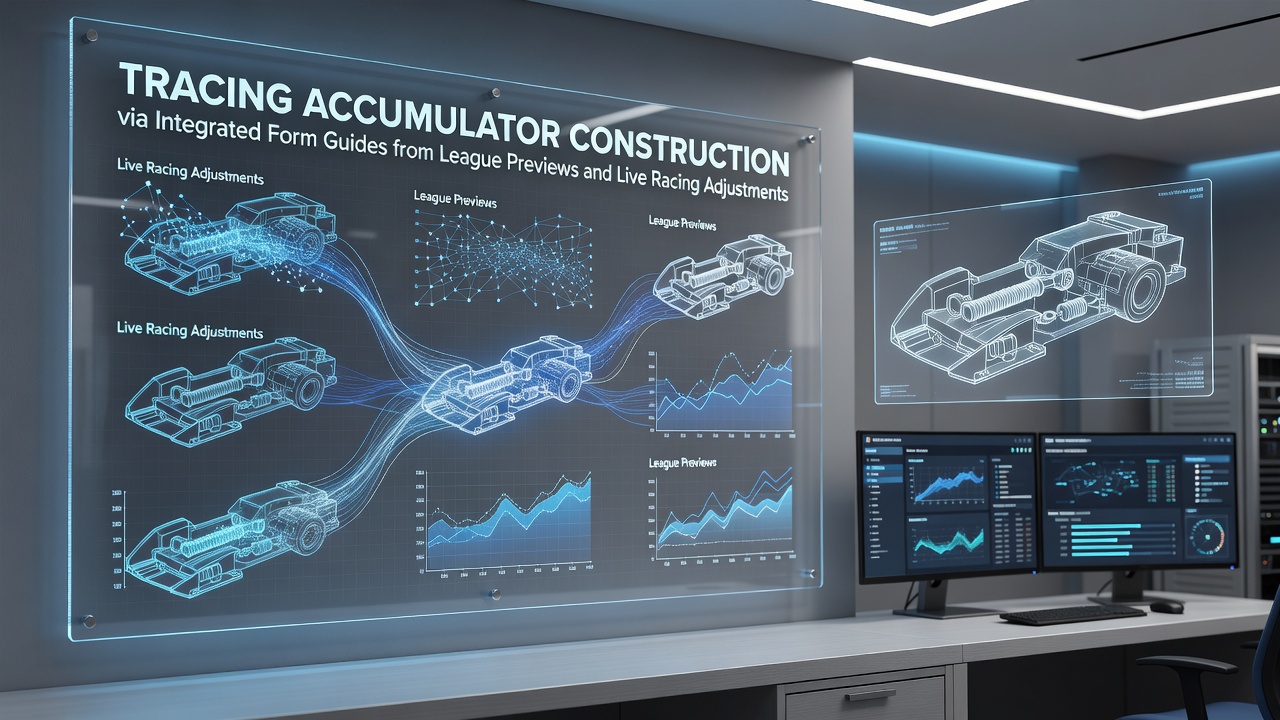
Accumulators gain structure when analysts combine detailed league previews with real-time racing adjustments, and this process draws on established data sources that track team performances alongside equine records. Researchers have documented how preview materials supply baseline metrics such as recent match outcomes, goal differentials, and player availability, while live racing feeds introduce variables like track conditions, jockey changes, and pace figures that shift during events.
League Previews as Foundational Inputs
League previews compile historical results, squad depth charts, and tactical patterns that allow construction teams to identify probable outcomes across multiple fixtures. Data from these documents feeds into accumulator frameworks by assigning probability weights to selections, and analysts cross-reference these weights against statistical models that account for home advantage or travel fatigue. Studies from sports analytics programs at institutions such as the University of Queensland show that preview-derived indicators maintain consistent predictive value when aggregated over full seasons, although individual matches introduce variance that requires further calibration.
Key Elements in Preview Analysis
- Team form streaks measured over rolling windows of five to ten matches
- Head-to-head records adjusted for venue and referee assignments
- Injury reports updated through official club announcements and league bulletins
- Expected goal metrics derived from shot location and quality databases
Those who maintain accumulator logs note that preview data alone produces stable but conservative selections, and the addition of dynamic inputs becomes necessary when markets open and odds fluctuate.
Live Racing Adjustments and Their Integration
Racing adjustments arrive through timing feeds, weather updates, and on-course observations that modify earlier assessments of horse readiness. Construction teams incorporate these signals by recalculating implied probabilities for each leg of an accumulator, and the process often involves layered spreadsheets that link football selections to equine runners scheduled within the same betting window. Evidence from industry reports issued by the European Gaming and Betting Association indicates that operators record measurable shifts in accumulator payout structures when live racing data updates occur within two hours of post time.
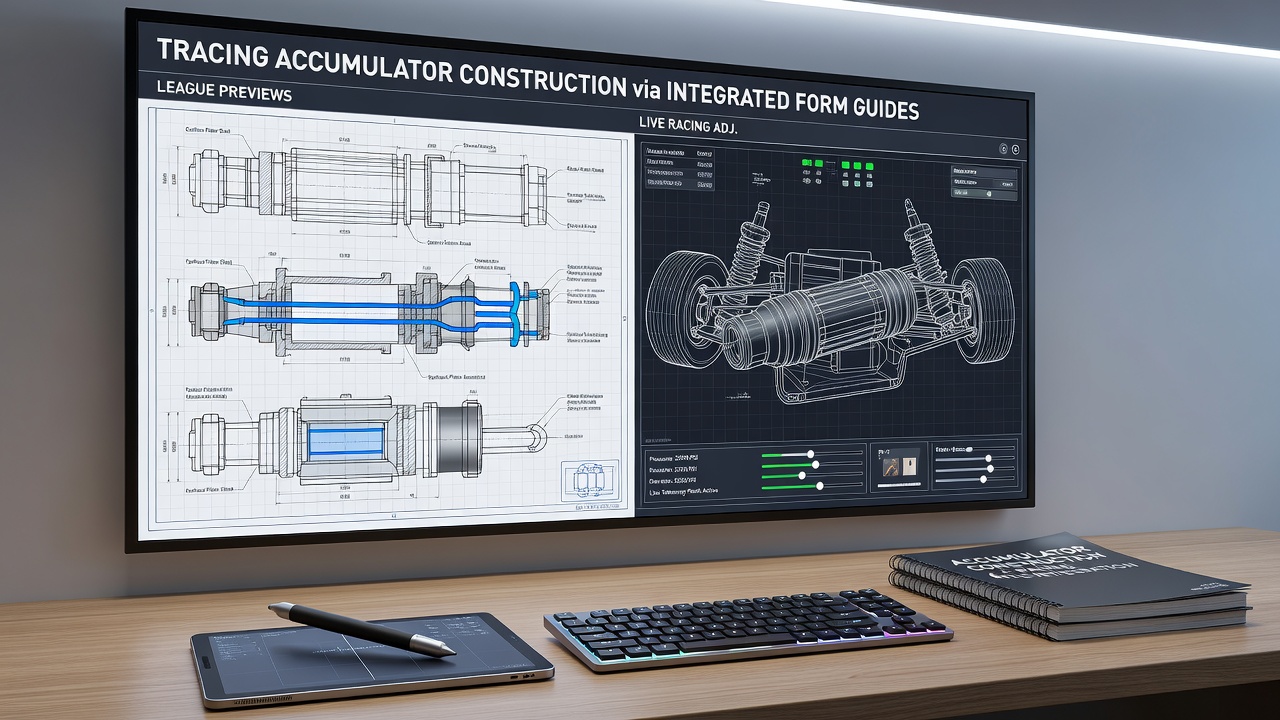
Adjustments typically address pace scenarios, ground conditions, and late scratchings, while analysts simultaneously monitor league matches for red-card incidents or tactical substitutions that alter original projections. The resulting accumulator reflects both static preview foundations and fluid racing corrections, which together produce selections that adapt across the afternoon or evening schedule.
Construction Workflow Observed in July 2026
During July 2026, multiple operators reported increased volumes of multi-leg accumulators that blended football league fixtures with summer racing meetings. Construction sequences began with morning preview reviews that established core football legs, after which teams monitored racing declarations released mid-morning. Analysts then applied adjustment layers that accounted for declared runners, going reports, and trainer comments, and these layers were merged into unified probability matrices. Observers note that the workflow required coordinated timing because football kick-offs and racing post times often overlapped, creating narrow windows for final modifications.
One documented approach involved color-coded cells within shared documents where preview values received initial shading and racing updates triggered immediate color changes. This method allowed multiple contributors to track revisions without overwriting earlier inputs, and the final accumulator reflected the most recent combination of both data streams.
Verification and Cross-Checking Practices
Verification steps include comparison against independent statistical services that supply alternative form ratings, and teams routinely test accumulator outputs against historical payout records to measure calibration accuracy. Cross-checks also extend to regulatory filings from bodies such as the Australian Communications and Media Authority, which track aggregate betting volumes and settlement patterns across licensed operators. Such external references help confirm that integrated construction methods align with observed market behavior rather than isolated assumptions.
Conclusion
Tracing accumulator construction through integrated form guides reveals a sequential process that begins with league preview data and incorporates live racing adjustments at defined intervals. The method produces selections that reflect both pre-event analysis and in-event modifications, and documentation from multiple sources confirms its application across combined football and racing markets. Continued refinement of these workflows depends on access to timely data feeds and consistent verification against independent records.