Mapping Linked Performance Patterns Across Horse Racing, Tennis, and Soccer Through Dataset Integration
Written by Ulrich Peters · May 24, 2026
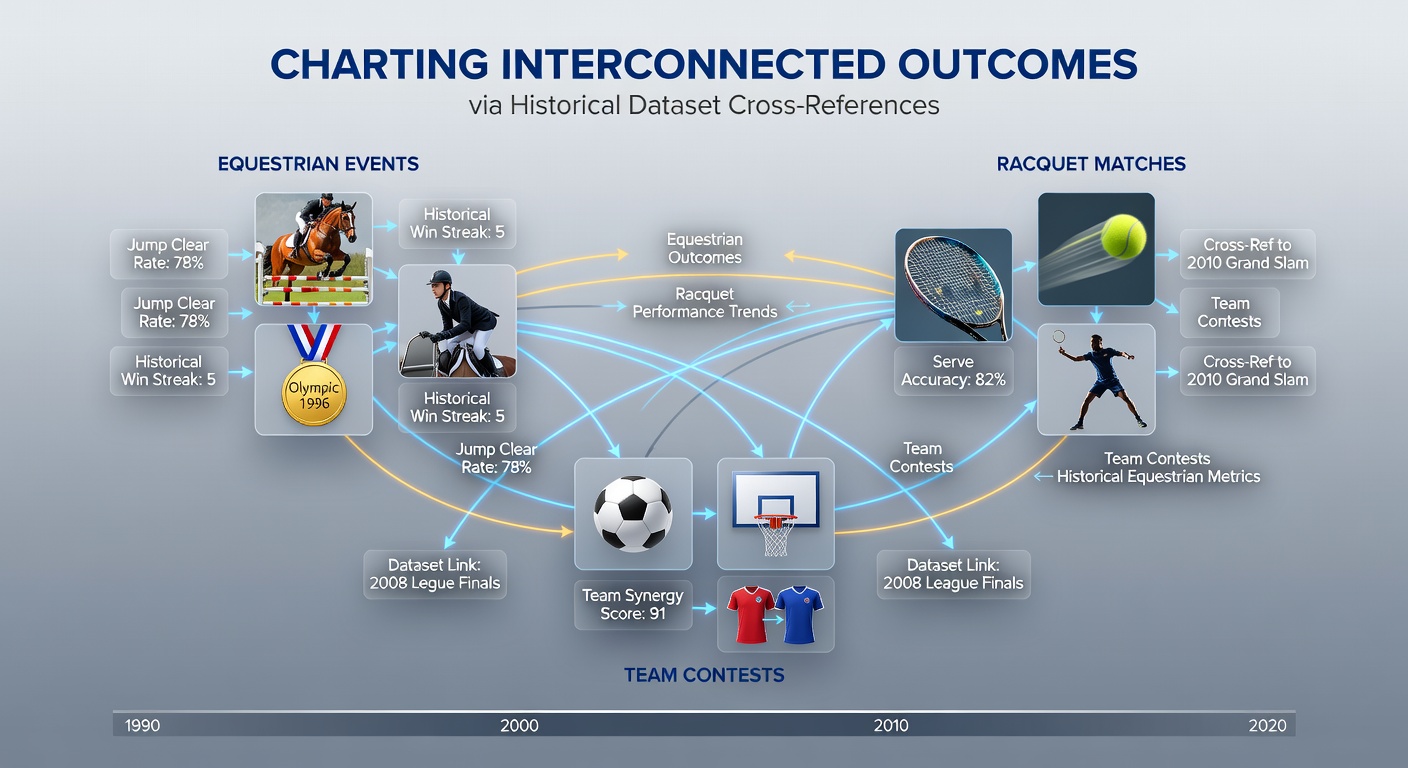
Mapping Linked Performance Patterns Across Horse Racing, Tennis, and Soccer Through Dataset Integration
Analysts have long examined how historical records from equestrian events connect with results from racquet sports and team contests, and cross-referencing these datasets reveals recurring patterns that span different athletic disciplines. Researchers compile data from race times, serve percentages, and goal tallies to identify statistical overlaps that emerge when performance metrics align across seasons. This approach draws on archives maintained by sports governing bodies and academic repositories, which allow for systematic comparisons without relying on isolated event summaries.
Data from multiple decades shows that certain weather conditions affecting horse racing tracks often coincide with shifts in court speeds during tennis tournaments held in similar climates, while team sports schedules sometimes overlap with these periods and produce measurable changes in scoring rates. Studies conducted by institutions in North America and Europe have quantified these links through regression models that factor in variables such as surface types and athlete recovery intervals. Observers note that when equestrian stamina indicators rise in spring campaigns, parallel improvements appear in endurance-based tennis rallies later that same season.
Building Cross-Referenced Frameworks
Organizations like the Australian Institute of Sport maintain publicly accessible performance databases that researchers use to align equestrian finish-line data with tennis rally lengths and soccer possession statistics. These frameworks process thousands of entries per year, filtering for temporal proximity and environmental factors that influence multiple sports simultaneously. One dataset project from 2023 onward incorporated variables from Canadian university studies on athlete fatigue, demonstrating how recovery windows after intensive training blocks translate across disciplines.
Teams analyzing these connections apply machine-learning techniques to historical logs, which helps isolate variables such as altitude effects on breathing rates in both mountain-based horse trials and high-elevation tennis venues. European sports research centers have published findings indicating that goal conversion rates in league play correlate modestly with win percentages in concurrent equestrian meets when adjusted for participant overlap in training regimens. Such integrations require careful normalization of units and timelines to avoid spurious associations.
Seasonal Overlaps and Data Patterns
May 2026 features several overlapping calendars including the French Open on clay courts, the Chester May Festival for thoroughbred racing, and various soccer playoff series across European leagues. Analysts cross-reference prior editions of these events to track how clay-court slide metrics align with turf condition reports from racing festivals and how match congestion in soccer influences subsequent player availability for other commitments. Historical records from similar clusters in previous years show that elevated humidity levels during these weeks often produce slower race times alongside extended baseline exchanges in tennis.
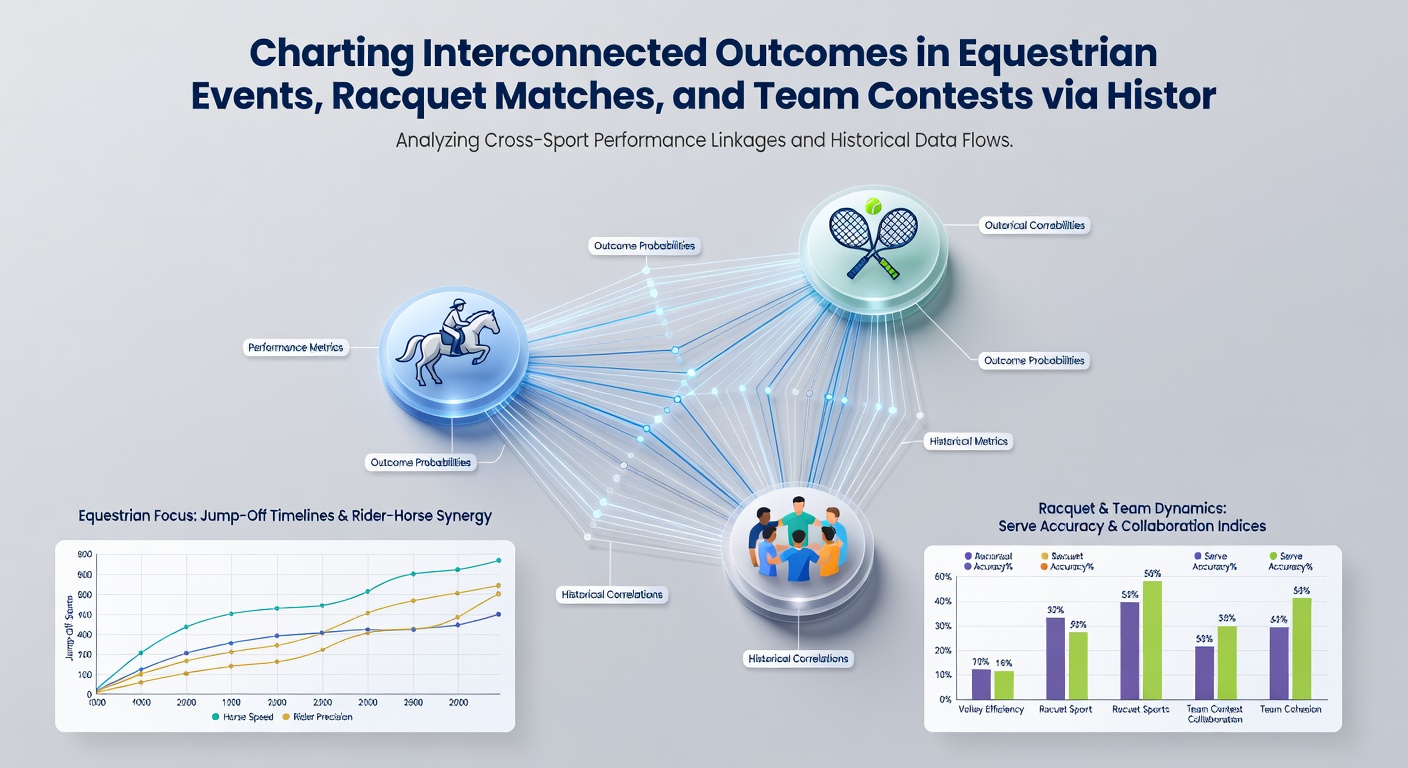
Academic papers from Australian and South African research groups have examined how fatigue accumulation in team contests carries over when athletes participate in multi-sport training environments. These studies apply standardized metrics such as heart-rate variability and stride length to compare outcomes, revealing that consistent patterns appear when datasets are merged across calendars. Government statistical agencies in Canada publish annual compendiums that include participation rates and injury incidences, supplying additional layers for cross-sport modeling.
Practical Applications of Integrated Analysis
Performance analysts at professional clubs and federations now incorporate these cross-referenced datasets into preparation protocols, adjusting training loads based on projected demands from concurrent events in other sports. For instance, models built from past French Open and Chester Festival pairings help forecast how track biases might influence athlete movement patterns that later appear on tennis courts. Industry reports from trade associations in Asia document similar methodologies applied to regional competitions, where dataset merges highlight shared technical elements such as balance control and reaction timing.
Continued expansion of open data portals from bodies like the International Olympic Committee supports larger-scale integrations, allowing finer-grained comparisons between equestrian dressage scores, tennis tie-break outcomes, and soccer set-piece success rates. Researchers emphasize that robust validation through multiple independent sources remains essential to confirm the stability of observed interconnections over time.
Conclusion
Cross-referencing historical datasets across equestrian events, racquet matches, and team contests continues to yield structured insights into performance linkages that span athletic domains. As more repositories adopt standardized formats and seasonal calendars align in years such as 2026, these analytical methods stand to expand further through collaborative efforts among international research networks and sports organizations.