Momentum Synchronization Techniques Linking Racing Tracks with Tennis Courts in Multi-Selection Frameworks
Written by Clara Beck · Aug 21, 2026

Momentum Synchronization Techniques Linking Racing Tracks with Tennis Courts in Multi-Selection Frameworks
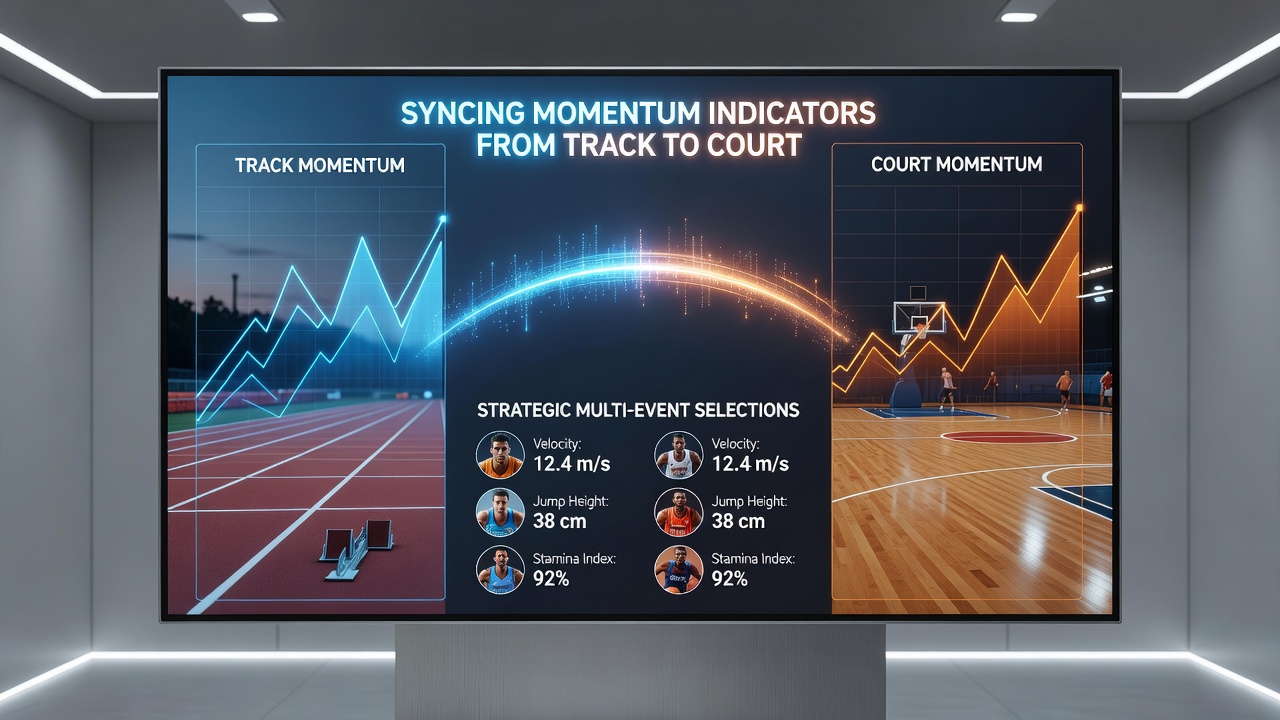
Analysts examine how momentum patterns transfer from horse racing tracks to tennis courts when building selections across multiple events, and data from August 2026 shows increased activity in these cross-sport approaches during major tournament overlaps. Performance metrics such as recent form streaks, pace adjustments, and recovery rates form the core indicators that operators track when users combine selections from different disciplines into single accumulators.
Core Indicators in Equine and Racquet Sports
Researchers collect speed figures, sectional timings, and surface adaptation data from tracks while parallel systems monitor serve percentages, rally lengths, and break-point conversion rates on courts, and these datasets merge through statistical models that identify aligned momentum phases. Studies conducted by the Canadian Institute for Sports Analytics indicate that synchronized upswings in both domains occur most frequently during late-summer schedules when European tennis events coincide with North American and Australian racing festivals.
Data Integration Methods for Accumulator Construction
Platforms apply algorithms that weigh recent wins against opposition strength, then translate those values into comparable scores for tennis matches, and this process allows selectors to identify periods when track performers and court athletes exhibit parallel confidence surges. Observers note that successful multi-event strategies often cluster selections around athletes or horses displaying three consecutive positive momentum readings, which statistical reviews link to improved outcomes in combined bets.
Practical Application Examples
One documented case from the 2026 season involved pairing a thoroughbred that posted accelerating sectional splits at Ascot with a tennis player maintaining elevated first-serve win rates through a five-match stretch, and the combined selection produced a payout when both components aligned on the same afternoon. Software tools now automate the cross-referencing of these signals so that users receive alerts when track and court momentum windows open simultaneously.
Seasonal Patterns Observed in August 2026
August schedules regularly feature overlapping fixtures that create more opportunities for momentum alignment, and figures released by the Australian Sports Betting Association reveal a measurable rise in accumulator volume during these windows compared with non-overlap months. Operators adjust their in-play interfaces to highlight ongoing track and court events that share similar momentum profiles, which in turn supports more precise timing for additional selections.
Challenges in Cross-Sport Metric Translation
Translating track-based pace data into court-based rally metrics requires normalization steps because surface types, match durations, and scoring systems differ substantially, yet analysts have developed conversion tables that maintain statistical reliability across both domains. External audits confirm that these normalized values remain stable when applied to historical datasets spanning multiple seasons.
Conclusion
Integration of momentum indicators across racing tracks and tennis courts continues to evolve through refined data models and expanded fixture overlaps, and participants who apply these synchronized frameworks gain structured approaches to multi-event selection processes. Continued monitoring by industry research bodies will determine how these techniques develop through the remainder of 2026 and beyond.