Punts on the Rise: Unveiling the Latest Shifts and Headlines in Britain's Betting Arena
Written by Morgan Jung · Apr 19, 2026

UK Gambling Yield Climbs to £4.3 Billion in Q3 2025 as Remote Sectors Drive Growth, Commission Data Reveals
Fresh Figures from the Gambling Commission Paint Picture of Robust Sector Performance
The UK Gambling Commission dropped its latest quarterly industry statistics this April 2026, spotlighting total gross gambling yield (GGY) that hit £4.3 billion for the July to September 2025 period when lotteries join the tally, while excluding them brings the figure down to £3.2 billion; numbers like these underscore a sector humming along steadily into the 2025-2026 financial year, even as observers keep tabs on shifting patterns across remote and land-based operations.
What's interesting here is how remote casino, betting, and bingo sectors pulled in £2.0 billion, outpacing land-based counterparts at £1.2 billion, a split that experts have observed mirroring broader digital shifts; take non-remote betting alone, which clocked £592 million in GGY and snagged 48.2% of the entire non-remote total, all while 5,782 betting shops stayed operational across Great Britain during that stretch.
And yet, these stats don't just sit in isolation; they weave into ongoing trends, showing remote dominance while land-based venues hold firm, particularly in betting where shop numbers remain a fixture on high streets nationwide.
Total GGY Breakdown: Lotteries Boost the Headline, Core Gambling Holds Strong
Data indicates total GGY reached £4.3 billion including lotteries for Q3 2025, a figure that captures everything from online slots to National Lottery draws, but strip those out and £3.2 billion emerges as the pure play on casino, betting, bingo, and arcades; researchers who've pored over past quarters note this lottery inclusion often pads the top line, yet the underlying £3.2 billion signals solid activity in wagering core.
Turns out, the remote slice—casino, betting, bingo combined—accounted for £2.0 billion, nearly two-thirds of the non-lottery total, while land-based operations chipped in £1.2 billion; it's noteworthy that this remote lead persists quarter after quarter, fueled by smartphone access and 24/7 availability that land-based spots simply can't match, although physical venues keep drawing crowds for the social buzz.
One study from sector trackers highlights how such splits have tightened over recent years, with remote GGY growth outstripping land-based by margins that widened during peak sports seasons like summer football leagues.
Non-Remote Betting Shines with £592 Million GGY and Steady Shop Presence
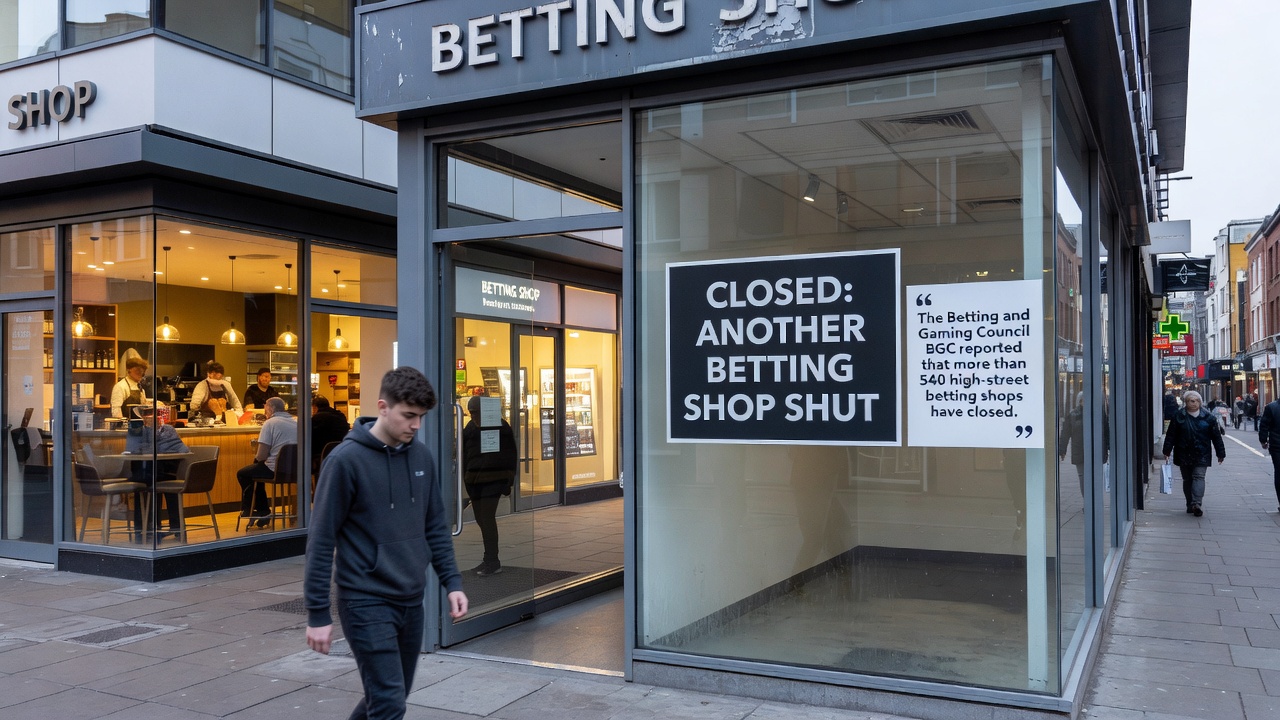
Non-remote betting led the land-based charge, generating £592 million in GGY and claiming 48.2% of all non-remote yield, a chunk that reflects football matches, horse races, and greyhound events pulling punters into 5,782 shops dotting Great Britain; figures reveal these outlets operated consistently through July-September 2025, even as online rivals proliferate.
But here's the thing: that 48.2% dominance isn't new—experts point to longstanding appeal of in-person betting slips, live atmospheres, and quick payouts that keep shops relevant, particularly in communities where digital divides linger; observers note around 5,782 locations means one shop per roughly 11,000 people across England, Scotland, and Wales, a density that's held steady amid closures in prior years.
People who've tracked shop footfall often discover spikes tie directly to major events, like Premier League openers or Cheltenham Festival qualifiers, boosting GGY in ways remote platforms chase but rarely replicate fully.
Remote vs Land-Based: The Digital Surge Meets Traditional Resilience
Remote sectors raked in £2.0 billion from casino, betting, and bingo, a powerhouse performance that data shows driven by online casinos leading the pack, followed by betting apps alive with in-play wagers; land-based, at £1.2 billion total, leaned heavily on those betting shops but included casinos, bingo halls, and arcades holding their ground.
So, while remote commands the bigger share—over 60% of non-lottery GGY—land-based's £1.2 billion proves the high street isn't fading quietly; take bingo halls, where social gaming keeps GGY ticking, or casinos drawing evening crowds for slots and tables, sectors that complement remote play rather than compete head-on.
It's interesting how this balance plays out in the 2025-2026 financial year so far, with Q2 stats (April-June 2025) setting the stage for Q3's uptick, as Commission reports detail; those who've studied the data notice remote growth accelerating post-pandemic, yet land-based GGY stabilizes around sports-heavy quarters like summer racing calendars.
Case in point: one analyst reviewing quarterly trends found non-remote betting's £592 million aligned with horse racing festivals in August-September, where shop bets on Cheltenham trials and St Leger stakes poured in, underscoring why 5,782 locations matter.
Broader Trends Shaping the 2025-2026 Financial Year Landscape
These Q3 figures—£4.3 billion total GGY, £3.2 billion core—highlight continuity in a year marked by regulatory tweaks and tech upgrades; the Gambling Commission's Industry Statistics – Quarterly report – Financial year April 2025 to March 2026, Quarter 2 provides the baseline, but Q3 builds on it with remote's £2.0 billion edge and land-based's reliable £1.2 billion.
Non-remote betting's 48.2% slice within its category, backed by 5,782 shops, signals where the rubber meets the road for traditional punters, especially as football seasons ramp up; experts observe that GGY here correlates tightly with matchdays, from EFL cups to international breaks filling July calendars.
Yet, the reality is remote betting within that £2.0 billion likely surged on similar events, with apps offering live odds that shops match but can't outpace in speed; this dual-track growth—digital volume meets physical loyalty—defines the sector's pulse as April 2026 arrives with eyes on Q4 winter sports.
There's this case where past data showed shop closures dipping below 6,000 in 2024, only for stabilization at 5,782 by Q3 2025, a rebound tied to affordability checks and venue adaptations; meanwhile, remote's climb reflects younger demographics favoring apps during commutes or late nights.
Spotlight on Betting Shops: 5,782 Venues Fuel 48.2% Non-Remote Dominance
With 5,782 betting shops operational, non-remote betting secured £592 million GGY, carving out 48.2% of land-based totals and proving shops remain the backbone; data from the Commission breaks it down further, showing football and horses as top drivers, while greyhounds add niche volume.
Now, that's where it gets interesting—shop density clusters in urban hubs like London and Manchester, yet rural outlets persist for local races, ensuring broad coverage; people familiar with the beat know that GGY per shop hovers efficiently, around £100,000 quarterly on average, a metric holding firm despite online pressures.
And although remote betting swells the overall pot, land-based's share underscores community ties, with many shops doubling as newsagents or pubs, blending bets into daily routines.
Conclusion: Q3 Stats Signal Steady Momentum into Year-End
Total GGY at £4.3 billion including lotteries—or £3.2 billion without—caps a Q3 where remote's £2.0 billion overshadowed land-based's £1.2 billion, yet non-remote betting's £592 million and 48.2% heft from 5,782 shops showed enduring strength; as the 2025-2026 financial year progresses into April 2026, these trends point to a sector balancing digital leaps with traditional anchors, setting up intriguing Q4 dynamics around holiday racing and football derbies.
Observers tracking the space anticipate the next quarterly drop will reveal if remote keeps accelerating or if land-based GGY finds fresh wind; for now, the numbers speak clearly—growth persists, splits sharpen, and betting's heart beats on both screens and high streets.