UK Government Shifts Planning Rules to Strengthen Local Control Over Betting Venues
Written by Morgan Jung · Aug 12, 2026

UK Government Shifts Planning Rules to Strengthen Local Control Over Betting Venues
The UK government under Prime Minister Andy Burnham announced plans to scrap the “aim to permit” rule, a move that transfers greater authority to local councils when evaluating high-street developments; this adjustment allows authorities to refuse planning permission for new betting shops and 24-hour slot machine venues with fewer procedural hurdles. The policy targets the rapid spread of gambling premises in town centers while supporting broader revitalization efforts across retail districts. Observers note that the change arrives in August 2026 amid ongoing discussions about how national planning frameworks intersect with community-level decision making.
Under the previous framework the “aim to permit” presumption often tilted outcomes toward approval even when local concerns existed; removing that presumption means councils can now weigh applications against specific neighborhood impacts without facing an automatic national preference for development. Data from planning records show clusters of betting shops and adult gaming centers have concentrated in certain high streets over the past decade, prompting repeated calls for more localized oversight. The new approach integrates with existing town-center strategies that emphasize mixed-use retail, pedestrian access, and reduced vacancy rates.
Details of the Policy Adjustment
The announcement specifies that local authorities will assess gambling premises applications under standard planning considerations rather than under a default tilt toward permission; this includes factors such as cumulative impact on the high street, proximity to schools or community facilities, and alignment with adopted local plans. Government statements indicate the measure forms part of a wider package aimed at restoring economic diversity in town centers that have seen retail contraction since the pandemic. Figures released alongside the announcement project that councils in England, Scotland, and Wales will handle an estimated several hundred additional gambling-related applications each year once the rule change takes full effect.
Implementation timelines outlined in the briefing place the updated guidance into force later in 2026, with supporting secondary legislation expected to follow parliamentary review; training sessions for planning officers have already been scheduled in multiple regions to ensure consistent application. The policy does not alter licensing regimes managed by separate regulatory bodies but focuses solely on land-use permissions, creating a clearer separation between planning decisions and operational licensing.
Context Within Town-Center Revitalization
Revitalization programs already underway in many local authorities emphasize bringing residential units above shops, expanding cultural venues, and attracting independent retailers; the removal of the “aim to permit” rule aligns with these goals by giving councils explicit latitude to decline proposals that could further concentrate gambling outlets. Case studies from several mid-sized towns demonstrate how clusters of betting shops correlate with reduced footfall for adjacent non-gambling businesses, although causation remains subject to ongoing academic review. The government briefing cites evidence from earlier pilot schemes where stricter planning scrutiny produced measurable shifts in retail composition within two years of policy adoption.
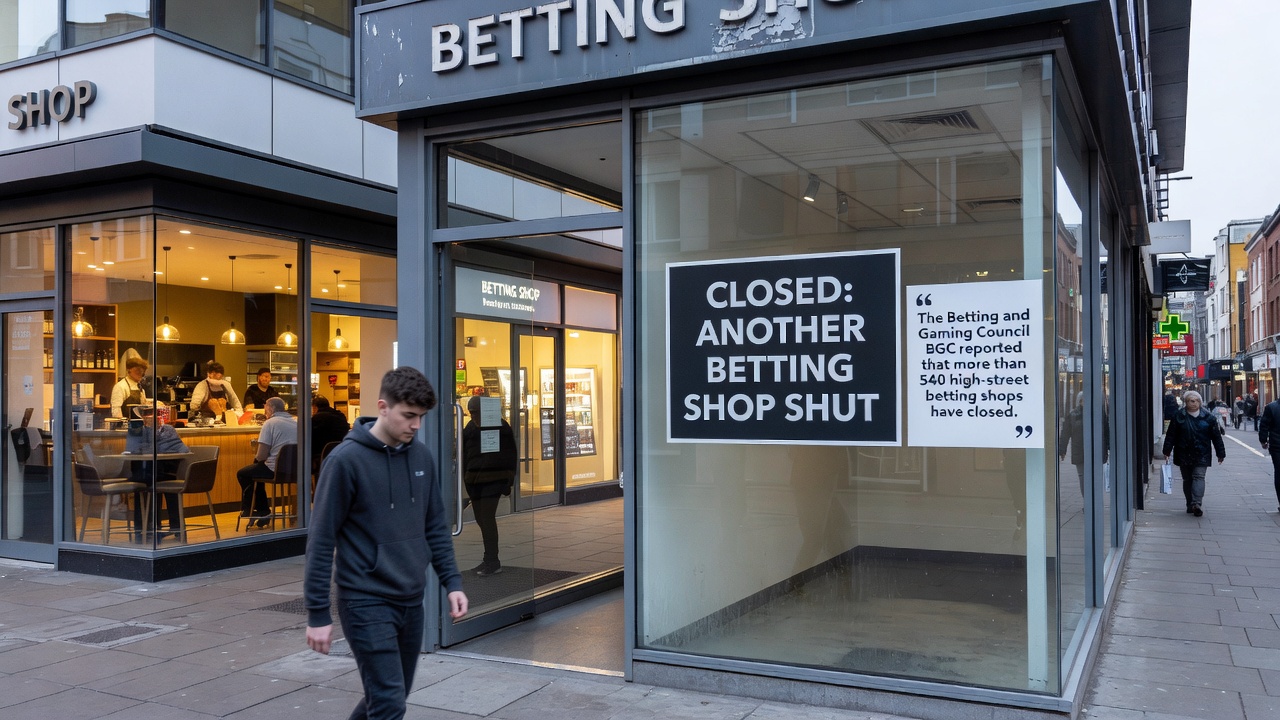
Stakeholders across retail associations and community groups have tracked similar policy experiments in other jurisdictions; one comparative review published by the OECD highlights how decentralized planning powers in comparable economies helped stabilize high-street diversity when gambling density reached certain thresholds. The UK adjustment mirrors elements of those approaches while remaining tailored to domestic legislative structures. Officials emphasize that the change preserves appeal routes for applicants, ensuring decisions remain subject to judicial oversight rather than becoming final at the local level.
Expected Effects on Gambling Premises
Industry analysts project that new 24-hour slot venues will face the most immediate scrutiny because their operating models often require larger premises and extended hours that intersect directly with residential amenity considerations. Existing operators retain their current permissions, yet any expansion or relocation proposals will fall under the revised criteria. Planning consultants note that cumulative-impact assessments, already used for alcohol licensing, will now play a larger role in gambling applications, allowing councils to reference existing concentrations of similar premises within defined radii.
Local authority associations have welcomed the clarification, citing reduced legal risk when refusing applications that previously triggered appeals under the old presumption; training modules developed jointly with the Royal Town Planning Institute focus on evidence gathering and consistent documentation. The policy also encourages councils to update local plans to include explicit criteria for gambling premises, creating a more predictable environment for both applicants and residents.
Conclusion
The decision to eliminate the “aim to permit” rule marks a structural shift in how national planning policy interacts with local high-street management, placing final authority for gambling-venue approvals more firmly in the hands of elected councils. Implementation will unfold through updated guidance, officer training, and integration with ongoing town-center strategies throughout 2026 and beyond. According to reports from CDC Gaming, the measure responds directly to documented patterns of premises concentration while preserving standard appeal mechanisms. Further updates from government sources and independent planning bodies will track outcomes across different regions as the revised framework becomes operational.