UK High-Street Betting Shops Record Over 540 Closures and 4,500 Job Losses Since Last Year’s Budget
Written by Morgan Jung · Aug 21, 2026

UK High-Street Betting Shops Record Over 540 Closures and 4,500 Job Losses Since Last Year’s Budget
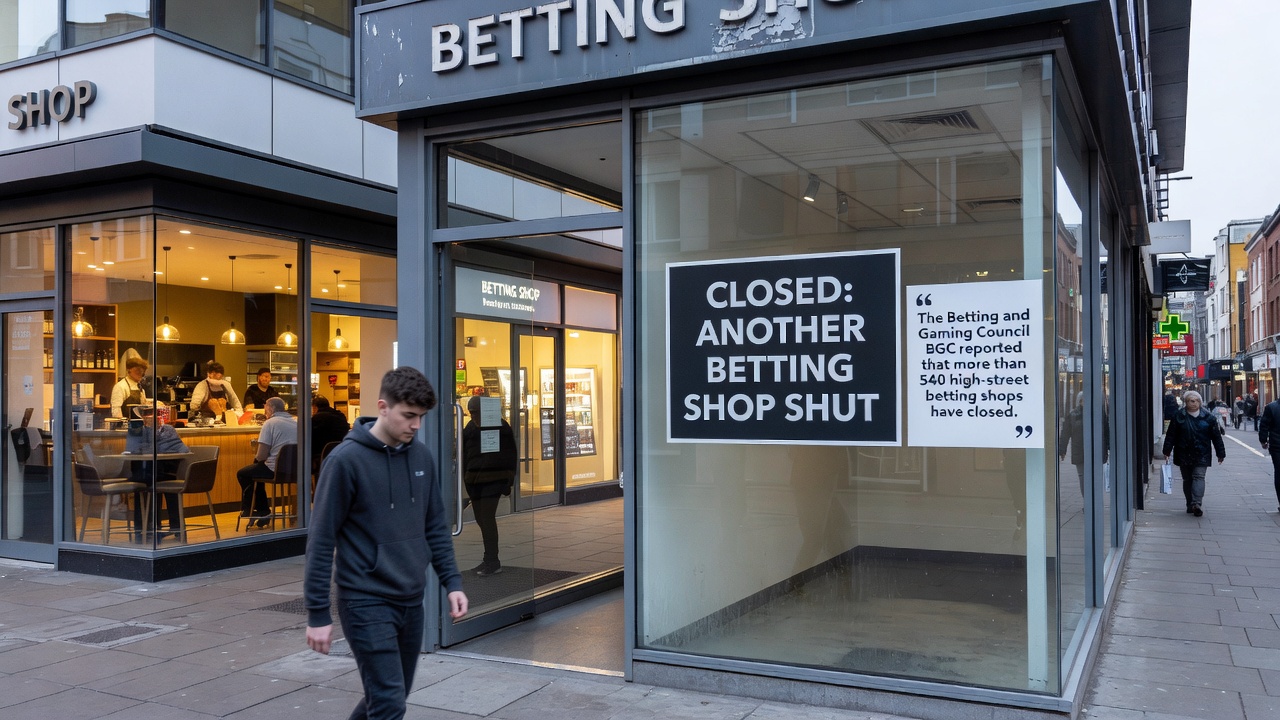
The Betting adn Gaming Council has released figures showing that more than 540 high-street betting shops closed their doors while around 4,500 jobs disappeared from the sector since last year’s Budget, and these losses stem directly from higher taxes combined with rising operational costs that hit businesses running both retail outlets and online platforms.
Those numbers build on an earlier pattern of contraction that began in 2019, when roughly 3,000 shops shut and about 15,000 positions were cut, leaving the remaining network smaller and more concentrated in larger towns and cities.
Details Behind the Latest Closures
According to the Betting and Gaming Council report, integrated operators that maintain physical shops alongside digital services felt the sharpest impact because tax changes raised the cost of maintaining storefronts while online margins faced separate pressures, and this combination forced multiple chains to review every location for viability.
Shop counts fell steadily through the first half of 2026, with the steepest drops occurring in regional high streets where footfall had already declined and where rent and energy bills continued to climb, yet the council noted that each closure also removed a local employer and a community hub that had served regular customers for years.
Longer-Term Decline Since 2019
Since 2019 the cumulative effect has removed approximately 3,000 outlets and 15,000 roles from the industry, and observers point to a sequence of tax adjustments, regulatory shifts, and changing consumer habits that together accelerated the pace of rationalisation across the sector.
Data compiled by the same industry body shows that the rate of shop losses quickened after the most recent Budget measures took effect, suggesting that the newest tax increases acted as an additional catalyst rather than the sole cause of an ongoing contraction that had already been underway for several years.
Those who track employment trends in the gambling sector note that many of the lost positions involved experienced staff who had worked in the same locations for a decade or more, and the reduction in headcount has been most visible in towns where a single chain operated several branches that could no longer be sustained side by side.
Industry Warnings on Future Tax Increases
The Betting and Gaming Council has stated that any further rise in gambling taxes, including proposals to double the online gaming duty rate, would accelerate shop closures, cut future investment plans, and shift activity toward unregulated operators outside the licensed market, and the body has presented these outcomes as direct consequences of additional cost pressures on already slim margins.
Figures released alongside the closure data indicate that the licensed sector still contributes substantial tax revenue and supports thousands of supply-chain roles in technology, security, and retail services, yet the council argues that continued tax escalation risks eroding that contribution by driving more business into the black market where no taxes are collected and consumer protections are absent.
One study of operator finances revealed that many retail sites now operate at or below break-even once all taxes, licensing fees, and property costs are factored in, and the report links this narrow margin directly to the decision by several groups to exit certain locations rather than absorb ongoing losses.
Economic Role of the Sector
The same industry body emphasises that the betting and gaming sector continues to generate employment across both high-street and digital channels while paying significant amounts in corporation tax, business rates, and specific gambling duties, and these payments support public services at national and local levels.
Although the number of physical shops has fallen, the remaining outlets still provide a regulated environment for customers who prefer face-to-face transactions, and the council points out that each licensed premises must meet strict responsible-gambling standards that do not apply to unlicensed alternatives.
Conclusion
The Betting and Gaming Council’s latest update therefore records more than 540 shop closures and 4,500 job losses since the previous Budget, places these figures within a longer decline that stretches back to 2019, and warns that additional tax rises could intensify the trend while shifting activity toward unregulated channels, and the data remain available for review on the organisation’s site at the full report page.