UK Punters Push Back Hard Against Bank Statement Demands in New Affordability Checks
Written by Harper Krüger · Apr 8, 2026

UK Punters Push Back Hard Against Bank Statement Demands in New Affordability Checks
The Spark Igniting the Backlash
Proposed online gambling affordability checks in the UK, which would require punters to submit sensitive financial documents like bank statements and payslips, have triggered widespread opposition as surveys uncover deep reluctance among betting customers. Data from a survey of over 2,000 betting customers reveals that 65% would refuse to provide such information, highlighting a stark divide between regulatory aims and user willingness to comply. And while regulators push these "mortgage-style" assessments to curb problem gambling, frequent bettors view them as intrusive barriers that could upend their access to licensed platforms.
Separate research by the Gambling Commission, involving 12,000 frequent gamblers, shows even stronger resistance with over 75% opposing the checks, figures that underscore how these policies risk alienating the very community they aim to protect. Industry observers note that such requirements, set to roll out in phases starting later this year, mirror affordability tests already trialed in non-remote sectors but scale up dramatically for online betting, where volume and speed define the experience.
Survey Details Paint a Clear Picture
Take the Betting and Gaming Council poll: respondents, drawn from active bettors across major platforms, overwhelmingly cited privacy concerns when asked about handing over bank statements, with 65% flat-out saying they wouldn't do it even to keep betting legally. That's not a fringe view; it's the majority stance from a cross-section of punters who've stuck with licensed operators for years. And digging deeper, the data breaks down further—younger bettors under 35 showed even higher refusal rates at around 70%, while older groups hovered near 60%, patterns that suggest generational differences in tolerance for financial scrutiny.
Now shift to the Gambling Commission's larger study: over 75% of those 12,000 frequent gamblers—defined as placing 20-plus bets weekly—rejected the idea of routine "frictionless" checks evolving into document-heavy verifications, especially when thresholds like £1,000 monthly net deposits trigger demands for proof of income. Researchers conducting the study observed that participants often compared it to applying for a home loan, a process few want repeated every few months just to place a bet on the horses or football. What's interesting here is how the opposition spans casual and high-volume players alike, with 80% of those betting over £500 monthly calling the checks "unworkable."
Industry Leaders Sound the Alarm
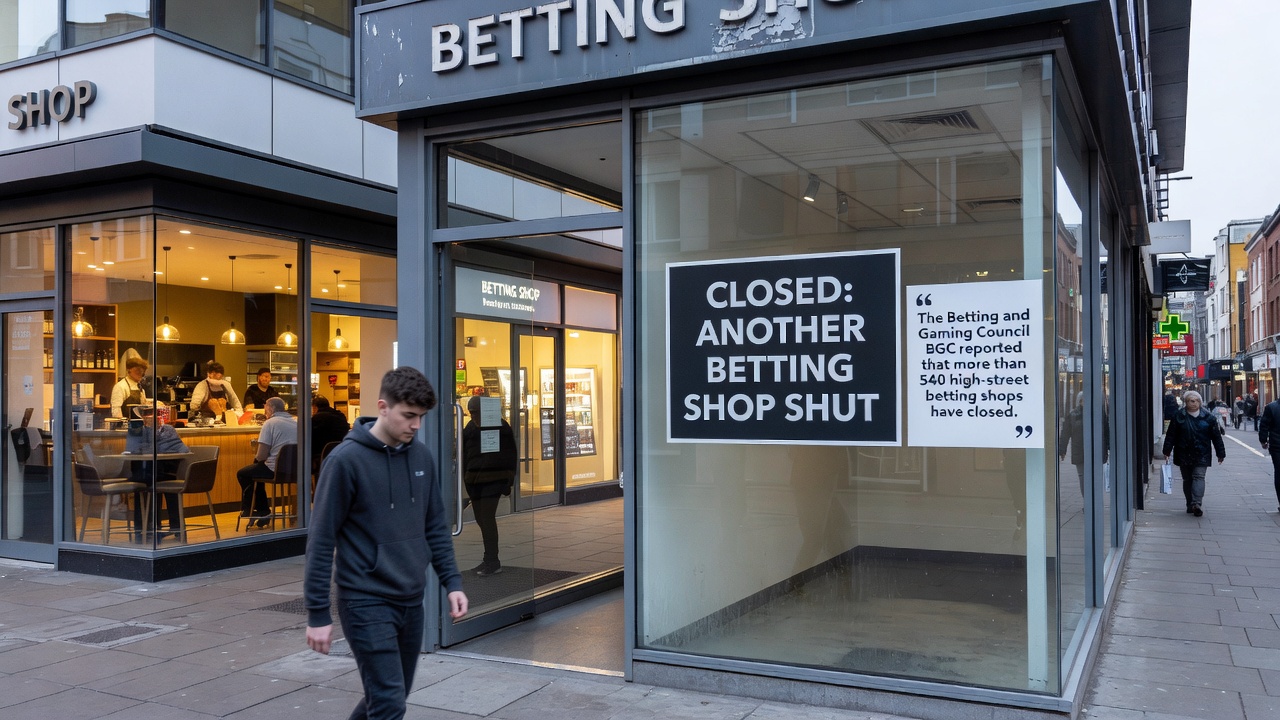
But here's where it gets really heated: over 400 figures from the racing sector, including trainers, jockeys, and stable staff, have warned that these checks could shove bettors toward illegal black market operators, a shift that threatens the industry's £4 billion annual economic contribution to the UK economy. Letters and statements from groups like the Racehorse Owners Association highlight how friction in legal channels—think upload delays during big race days—drives users to unregulated sites offering no such hurdles, sites that provide zero consumer protections or tax revenue.
Those who've studied gambling migration patterns point to past examples, like the post-2007 remote gambling duty hikes that saw some activity leak offshore; now, with affordability gates looming, experts predict a similar exodus, potentially costing jobs in betting shops, racecourses, and related supply chains. And as of April 2026, with consultations wrapping up and implementation timelines firming, industry bodies like the Betting and Gaming Council urge a rethink, arguing that tech-driven alternatives—like AI spend analytics without personal docs—could achieve safer gambling without the backlash.
How the Checks Would Work in Practice
Regulators envision a tiered system: low-risk punters face basic session reminders, but anyone hitting deposit flags—say, £150 weekly or £500 monthly—triggers enhanced checks requiring evidence of disposable income, much like lenders assess affordability for loans. Documents? Bank statements for three months, payslips, or even pension details for retirees who bet. Operators must verify these manually in many cases, leading to delays that punters in the surveys described as "deal-breakers" during live events like Premier League matches or Cheltenham Festival.
One case from early trials in land-based casinos shows the rub: a bettor cleared for £2,000 limits after submitting docs waited 48 hours for approval, missing key odds; scale that to online volumes, and observers see mass drop-off. Yet proponents, including some charity leaders, stand by the model, citing data from pilot programs where checks identified 15% of high-risk players early—though even there, compliance sat below 50% without heavy enforcement.
Economic Stakes and Broader Ripple Effects
The £4 billion figure isn't abstract; it covers levy payments to racing (£300 million yearly), shop wages, and tourism from events like Grand National day, all propped up by betting turnover. Industry data indicates that a 10% shift to black market—plausible if 65% refuse legal checks—could slash that by £400 million, hitting rural tracks hardest where betting funds upkeep. And while black market sites dodge taxes and safeguards, they thrive on crypto anonymity, luring the exact vulnerable punters these reforms target.
Turns out the surveys capture sentiment that's been building: earlier Gambling Commission behavioral insights from 2025 showed 40% of online bettors already wary of data shares post-GDPR scares, a baseline now exploding with these proposals. People who've tracked operator migrations note how competitors in less-regulated markets like Gibraltar pull ahead when UK rules tighten, pulling volume with better user experience.
Voices from the Frontlines
Racing figures aren't mincing words—one open letter signed by 400-plus pros calls the policy "existential," warning it guts the sport's funding model just as post-pandemic recovery gains traction. Trainers report punters already grumbling about trial checks in shops, with some vowing to switch apps mid-season. And bettors in the surveys echo that: 55% said they'd cut activity altogether if docs became mandatory, preferring self-limits over invasions.
So the ball's in the regulators' court now, especially with April 2026 marking a key review point before full rollout. Observers watch closely as tweaks—like raising thresholds or automating more—emerge in response to the data, though core document demands persist in drafts.
Wrapping Up the Controversy
The pushback against UK gambling affordability checks boils down to numbers that can't be ignored: 65% refusal in one poll, 75% in another, all amid fears of black market booms and £4 billion losses. Surveys from the Betting and Gaming Council and Gambling Commission lay bare the tension between safety goals and practical realities, where punters draw firm lines at bank statements. As industry voices rally and consultations evolve into April 2026, the path forward hinges on balancing protections with access—without one driving the other underground. Data suggests compromise looms, but for now, the revolt rolls on, reshaping the debate one survey stat at a time.